




Aluminium vs Plastic Food Packaging: Which Should You Choose?
Choosing between aluminium and plastic food packaging is not about one material being better in every situation. The right choice depends on what the packaging needs to do for the food, production process and final use.
Factors such as temperature, preparation method, product visibility, barrier requirements, sealing and handling can all influence whether aluminium or plastic is the more relevant option.
As a general starting point, aluminium is particularly relevant for high-temperature, ovenable and grill-ready applications, while different plastic materials provide options for chilled, transparent, microwaveable and ovenable food packaging.
This guide provides a quick aluminium vs plastic comparison. For detailed information about the individual materials, continue to our dedicated plastic and aluminium packaging guides.
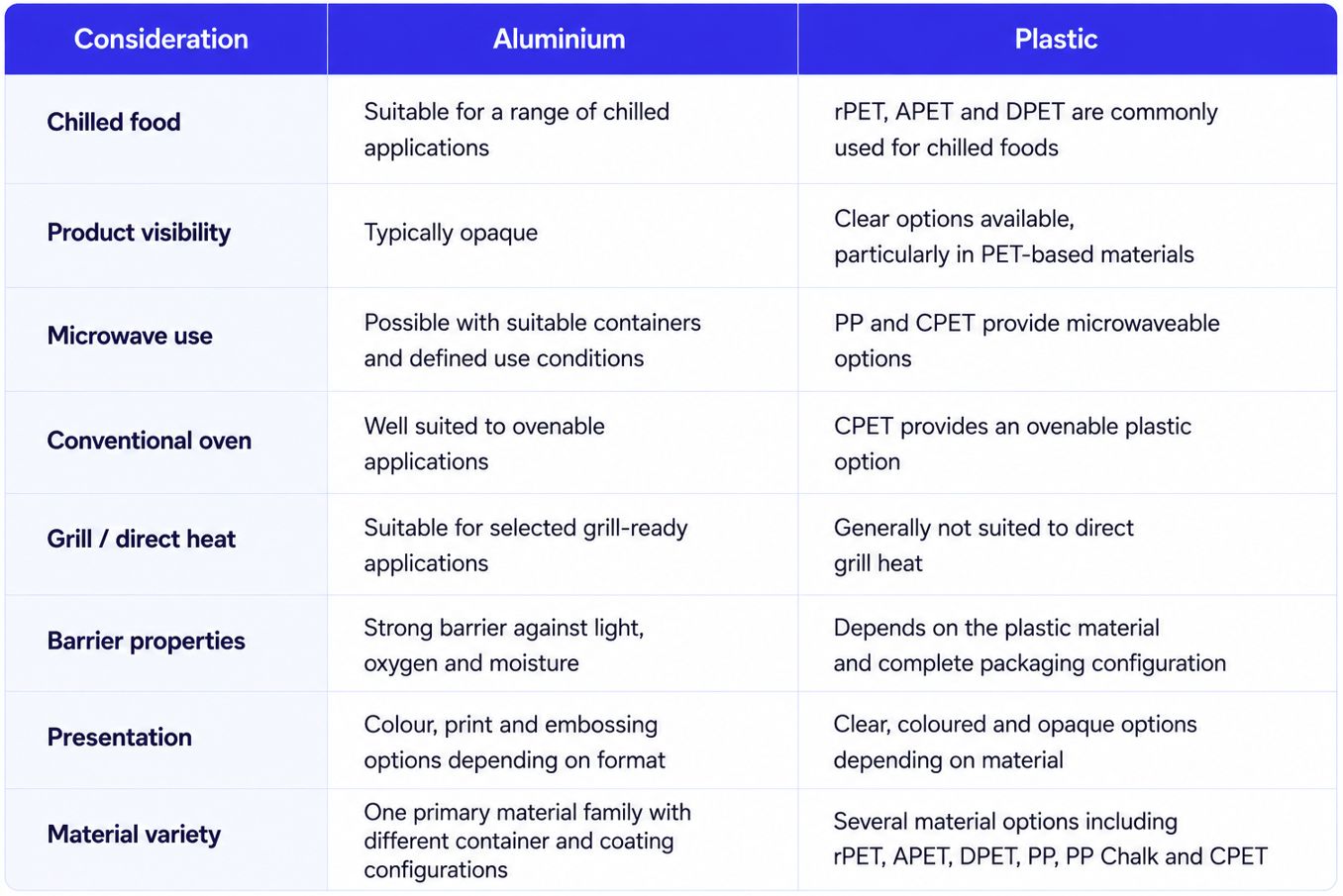
Aluminium vs Plastic: Quick Comparison
Aluminium and plastic both offer useful properties for professional food packaging, but they perform differently depending on the application.
The best choice depends on the specific food, packaging configuration and intended use rather than the material alone.
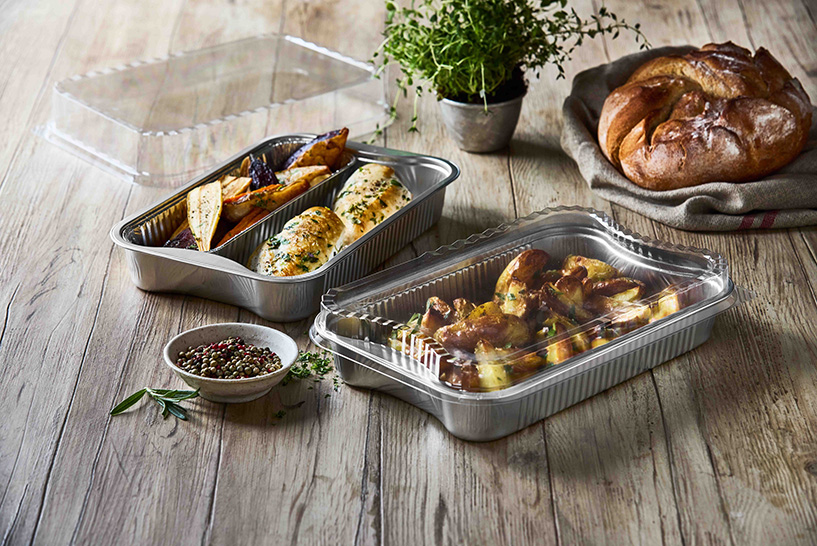
When Is Aluminium Packaging a Good Choice?
Aluminium food packaging can be particularly relevant when the application requires higher-temperature performance, conventional oven or grill preparation, strong barrier properties or an opaque packaging format.
Typical applications include ovenable ready meals, ready-to-cook foods, grill-ready concepts and food products where the packaging needs to perform from chilled or frozen storage through final preparation.
Aluminium can be worth considering when you need:
· Conventional oven performance
· Grill or direct-heat applications
· Strong protection against light, oxygen and moisture
· An opaque packaging format
· Packaging for ready-to-cook concepts
The exact performance of an aluminium container depends on the packaging design, coating and intended application.
For detailed information about aluminium characteristics, applications and available food packaging solutions:
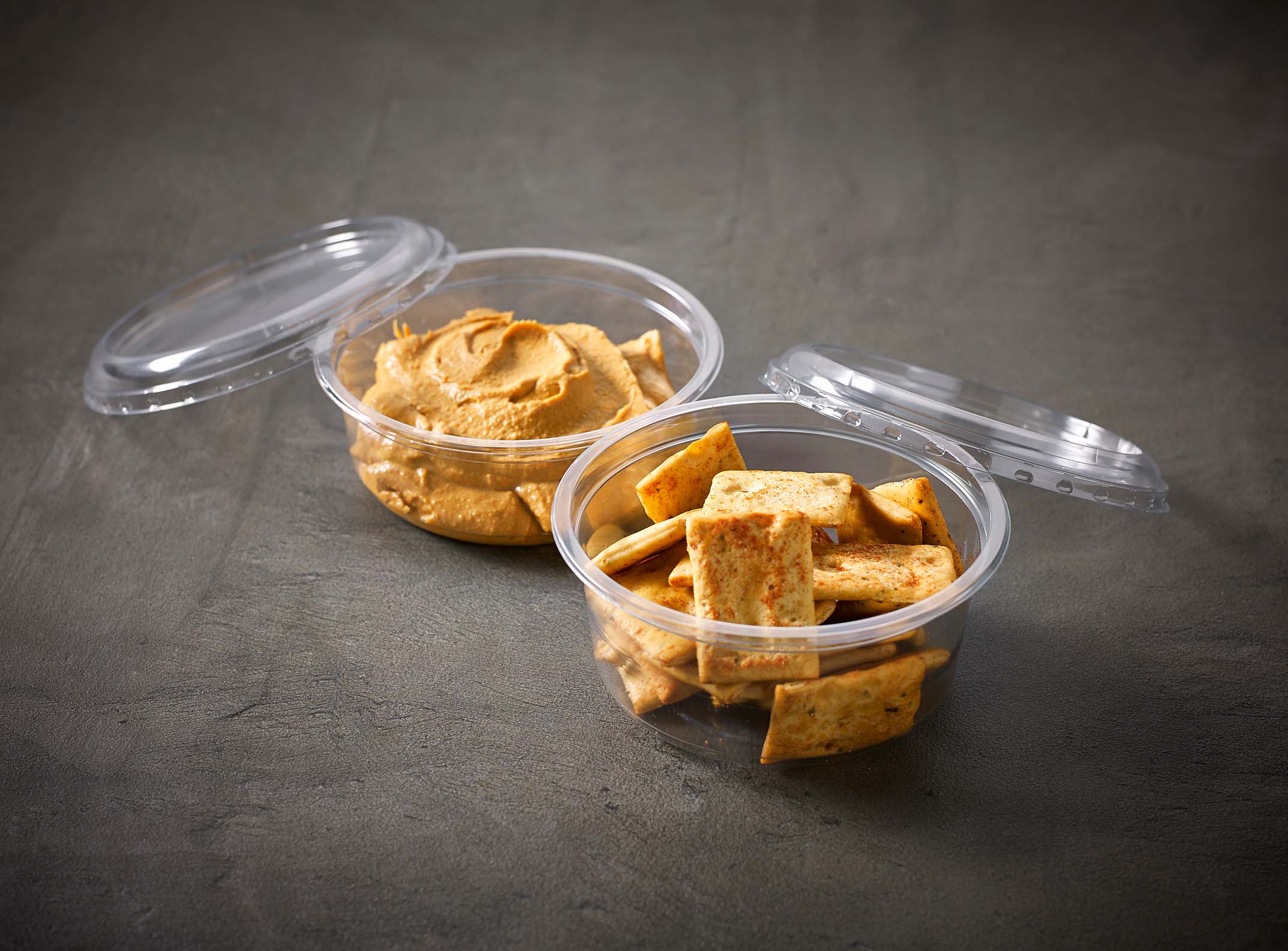
When Is Plastic Packaging a Good Choice?
Plastic packaging covers several materials with different performance characteristics, making it relevant across a broad range of food applications.
Plastic can be worth considering when you need:
· Clear product presentation
· Chilled or frozen food packaging
· Microwaveable packaging
· A broad choice of tray shapes, sizes and formats
· Different material options for different temperature requirements
Because plastic is not one material, the relevant choice depends on whether your food application requires rPET, APET, DPET, PP, PP Chalk or CPET.
Rather than repeating those material differences here, you can compare their properties, temperature ranges and applications on our dedicated plastic packaging page.
Is Aluminium or Plastic Better for the Environment?
There is no universal answer to whether plastic or aluminium is better for the environment.
The environmental performance of a specific packaging solution can depend on factors such as the amount of material used, recycled content, packaging design, food protection, transport and the collection, sorting and recycling infrastructure available in the market where the packaging becomes waste.
For this reason, the environmental comparison should be made between specific packaging solutions for a specific application, rather than assuming that either aluminium or plastic is always the better environmental choice.
The packaging must first perform correctly for the food, production process, distribution conditions and intended use. Relevant environmental characteristics can then be assessed based on the actual packaging configuration and available documentation.
Flexible vs Rigid Packaging: A Different Consideration
Flexible vs rigid packaging is a different comparison from aluminium vs plastic.
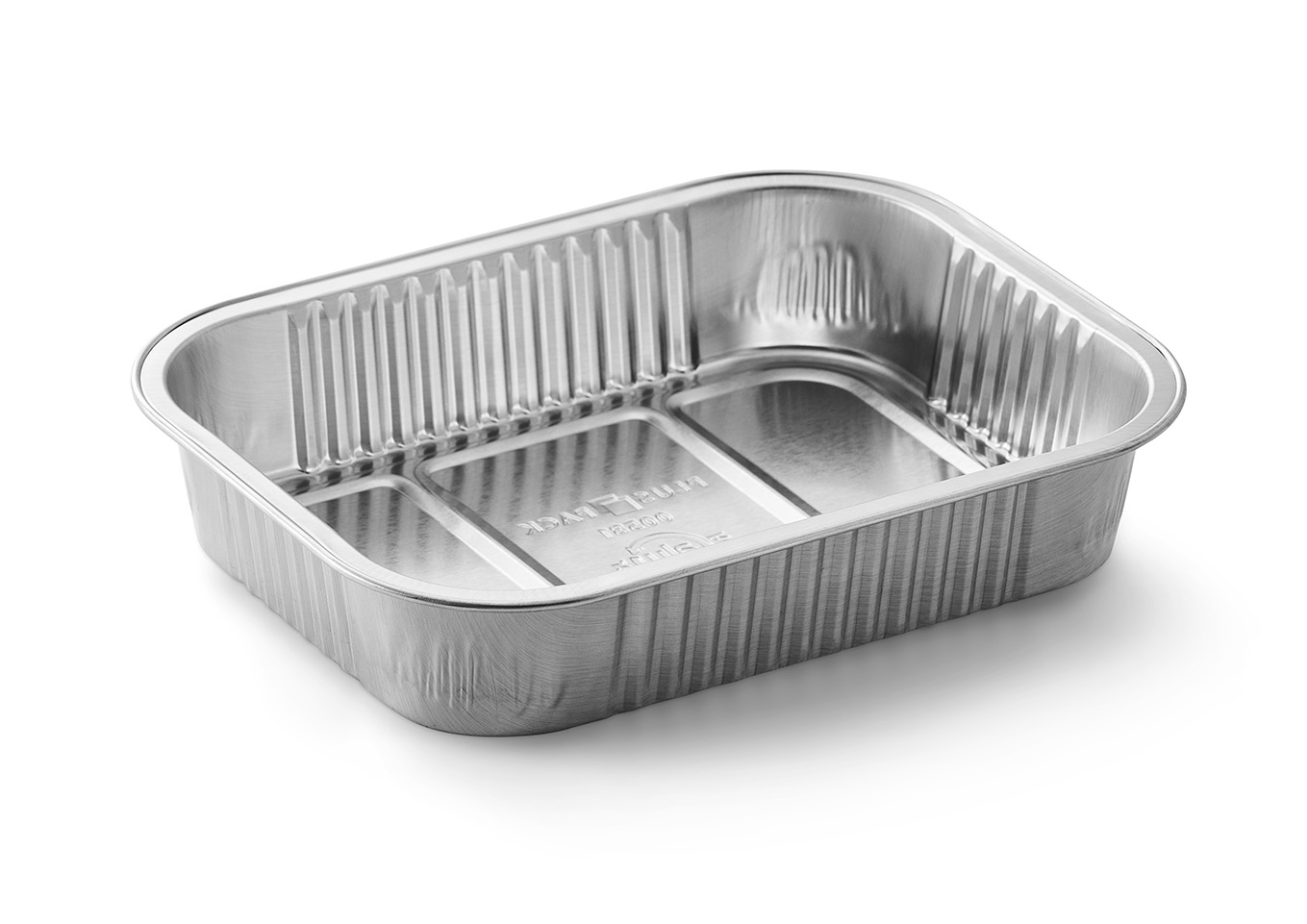
Flexible packaging can include formats such as films, foils and pouches, while rigid and semi-rigid packaging includes trays, containers and bowls that retain their shape.
Both the material and the packaging format can influence performance. When comparing flexible and rigid packaging, factors such as food protection, filling and sealing, handling, portioning, presentation and transport should therefore be considered separately from the choice between aluminium and plastic.
Plus Pack primarily develops rigid and semi-rigid aluminium and plastic food packaging.
How to Choose Between Aluminium and Plastic
If you are comparing plastic or aluminium, start with the requirements of the application rather than with a preferred material.
Four questions can help narrow the choice.
How Will the Food Be Stored and Prepared?
Consider the full temperature journey.
Will the food remain chilled? Will it be frozen? Does the consumer need to reheat it in a microwave, prepare it in a conventional oven or place it directly on a grill?
The preparation method can quickly rule certain materials in or out.
For example, plastic materials provide options ranging from chilled PET packaging to microwaveable PP and ovenable CPET, while aluminium is particularly relevant where conventional oven, grill or other high-temperature performance is required.
Is Product Visibility Important?
The desired presentation of the food can also influence the material choice.
Clear plastic materials such as rPET, APET and DPET can allow the food itself to remain highly visible, which can be relevant for salads, chilled meals, fruit, deli products and other foods where presentation is important.
Aluminium is typically opaque and can therefore be more relevant where visibility is less important than protection, heating performance or the overall packaging concept.
What Protection Does the Food Require?
Different foods place different demands on the packaging.
Aluminium provides strong barrier properties against light, oxygen and moisture, while the barrier performance of plastic packaging varies according to the selected material and complete packaging configuration.
The tray, lid or sealing film, food product and required shelf life should therefore be assessed together rather than choosing a material based on one property alone.
How Must the Packaging Perform in Production and Distribution?
The material also needs to work with the production process.
Requirements can include denesting, filling, sealing, stacking, handling, transport and compatibility with existing packing equipment.
Both aluminium and plastic trays can be developed for professional food production, so the material decision should be considered together with tray geometry, sealing requirements and production setup.
Aluminium vs Plastic: There Is No Single Winner
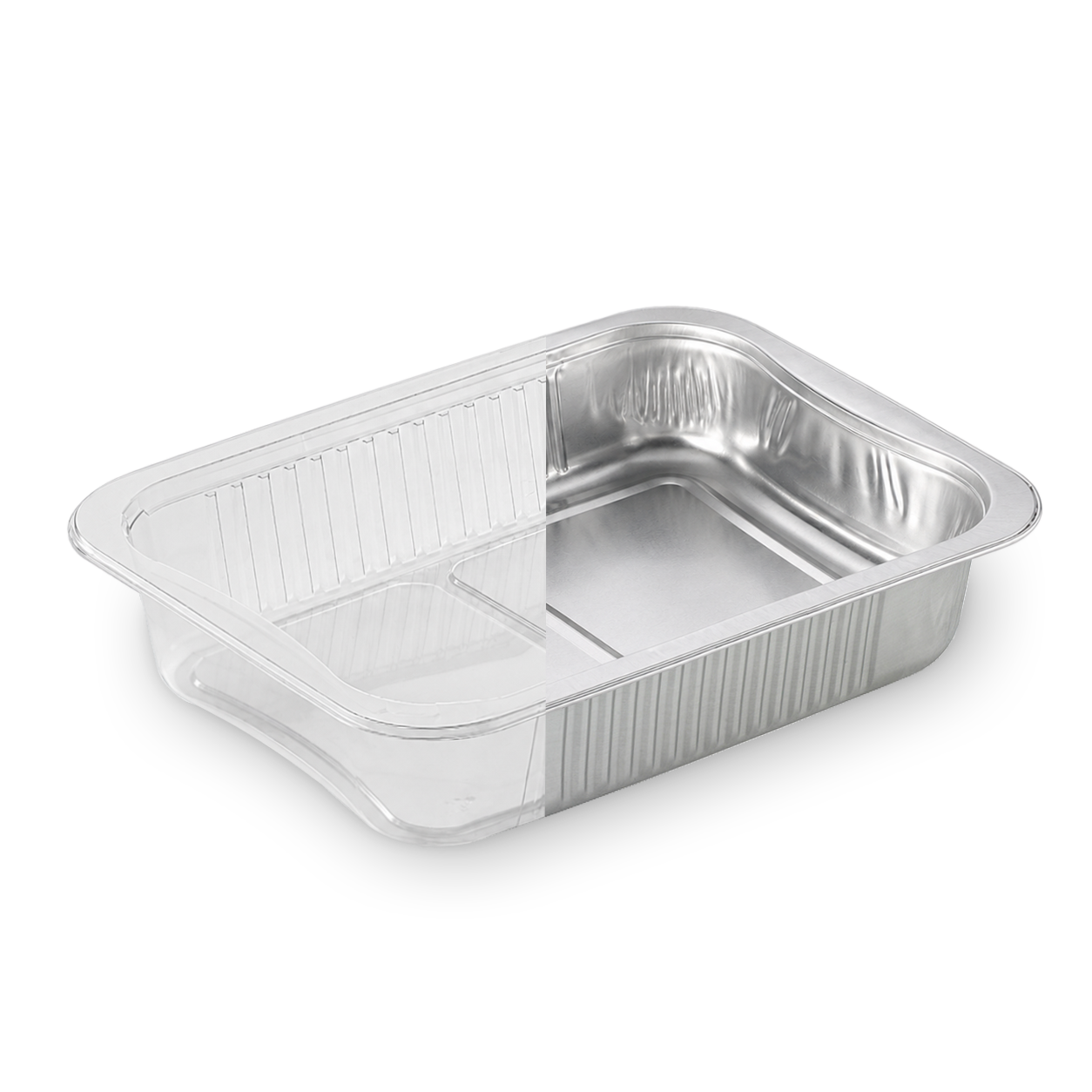
So, is aluminium better than plastic? Not universally. The right choice depends on what the packaging needs to achieve. For chilled foods where clear presentation is important, transparent plastic may be suitable, while PP or CPET can provide the required functionality for microwaveable ready meals.
For conventional oven preparation, both CPET and aluminium may be relevant depending on the specific requirements, whereas aluminium offers an option for direct grill heat that conventional plastic food trays generally cannot.
The decision is therefore not simply plastic vs aluminium, but about matching the material and packaging design to the food, production process and intended use.
Explore the material that fits your application
Is aluminium better than plastic for food packaging?
Neither material is better for every application. Aluminium is particularly relevant for ovenable, grill-ready and other higher-temperature concepts, while different plastic materials provide options for chilled, transparent, microwaveable and ovenable food packaging. The right choice depends on the food and intended use.
Is plastic or aluminium better for the environment?
There is no universal answer. Environmental performance can depend on the specific packaging design, material quantity, recycled content, food protection, transport and the collection, sorting and recycling infrastructure in the relevant market.
When should I choose aluminium instead of plastic?
Aluminium may be particularly relevant when the food application requires conventional oven or grill preparation, strong barrier properties, higher-temperature performance or an opaque packaging format.
When should I choose plastic instead of aluminium?
Plastic may be particularly relevant when clear food presentation, chilled performance or microwave ability is required. Different plastic materials serve different applications, so the choice should be based on the required performance.
What is the difference between flexible and rigid packaging?
Flexible packaging includes formats such as films, foils and pouches, while rigid and semi-rigid packaging includes trays, containers and bowls that retain their shape. Flexible versus rigid packaging describes the packaging format, while aluminium versus plastic describes the material choice.