



What is EPR and
how it affects your business?
Extended Producer Responsibility (EPR) is a policy approach that shifts the responsibility for a product’s entire lifecycle onto manufacturers. This includes the costs associated with collection, recycling, and disposal after consumer use.
As EPR regulations become more widespread, businesses involved in manufacturing, distribution, or retailing of consumer goods must adapt. Compliance with these laws requires companies to reconsider their production methods, packaging design, and overall waste management strategies.
Understanding and embracing EPR can offer significant benefits. While compliance may involve upfront investments, it can also drive innovation, enhance brand reputation, and create a competitive advantage. Companies that proactively align with EPR principles often find opportunities to optimize processes, reduce waste, and meet evolving consumer expectations for sustainability.
Learn more about Extended Producer Responsibility
Extended Producer Responsibility (EPR) is a policy approach that places the responsibility for a product's entire lifecycle on manufacturers, including the costs of collection and recycling after consumer use. These regulations can affect your production processes, packaging choices, and overall environmental strategy.
EPR’s Role in Waste Management
EPR encourages businesses to reduce waste through design, selecting recyclable or biodegradable materials and creating products that are easier to disassemble. It also promotes take-back programs, recycling initiatives, and circular packaging solutions, ensuring proper waste management.
Compliance & Legal Implications
Businesses must understand local EPR regulations, meet recycling targets, and participate in take-back programs. Non-compliance can lead to fines, operational restrictions, or legal liabilities. Maintaining accurate reporting on sales, waste collection, and recycling efforts is crucial.
Economic Incentives & Business Opportunities
While EPR compliance may require initial investments, it can drive innovation, enhance brand reputation, and reduce long-term costs. Businesses benefit from improved resource efficiency, potential tax benefits, and access to new markets for recycled or refurbished products.
Implementing EPR Strategies
To align with EPR, companies should assess product life cycles, collaborate with waste management partners, and educate consumers on proper disposal. Tracking systems, industry-wide recycling initiatives, and clear labeling help ensure compliance and streamline waste management processes.
Understanding and adapting to EPR regulations is essential for navigating this evolving landscape effectively.
Webinar - EPR legislation
Watch our webinar - How to Lower EPR Fees on Food Packaging!

Based on +100 Packaging School training sessions in the market and many customer projects to move towards more circular products, we know how complex it is to navigate in the new EPR regulation and stay ahead of market demands.
That is why we have developed this webinar to touch upon the EPR regulation and share our best practices on how to redesign your food packaging to more circular solutions and lower the EPR fee.
Register below and get access to the webinar
LEARN MORE

Sustainability
Our approach to sustainability
There are no easy solutions when it comes to changing our industry. But going circular is not only the smart way forward. It’s the only way forward.

Materials
Packaging material
Finding the right packaging material that fits your need can be a complex task. many criterias should be considered before setteling on a material. Here we will give you an overview.
eCatalogue
Ready2Cook®
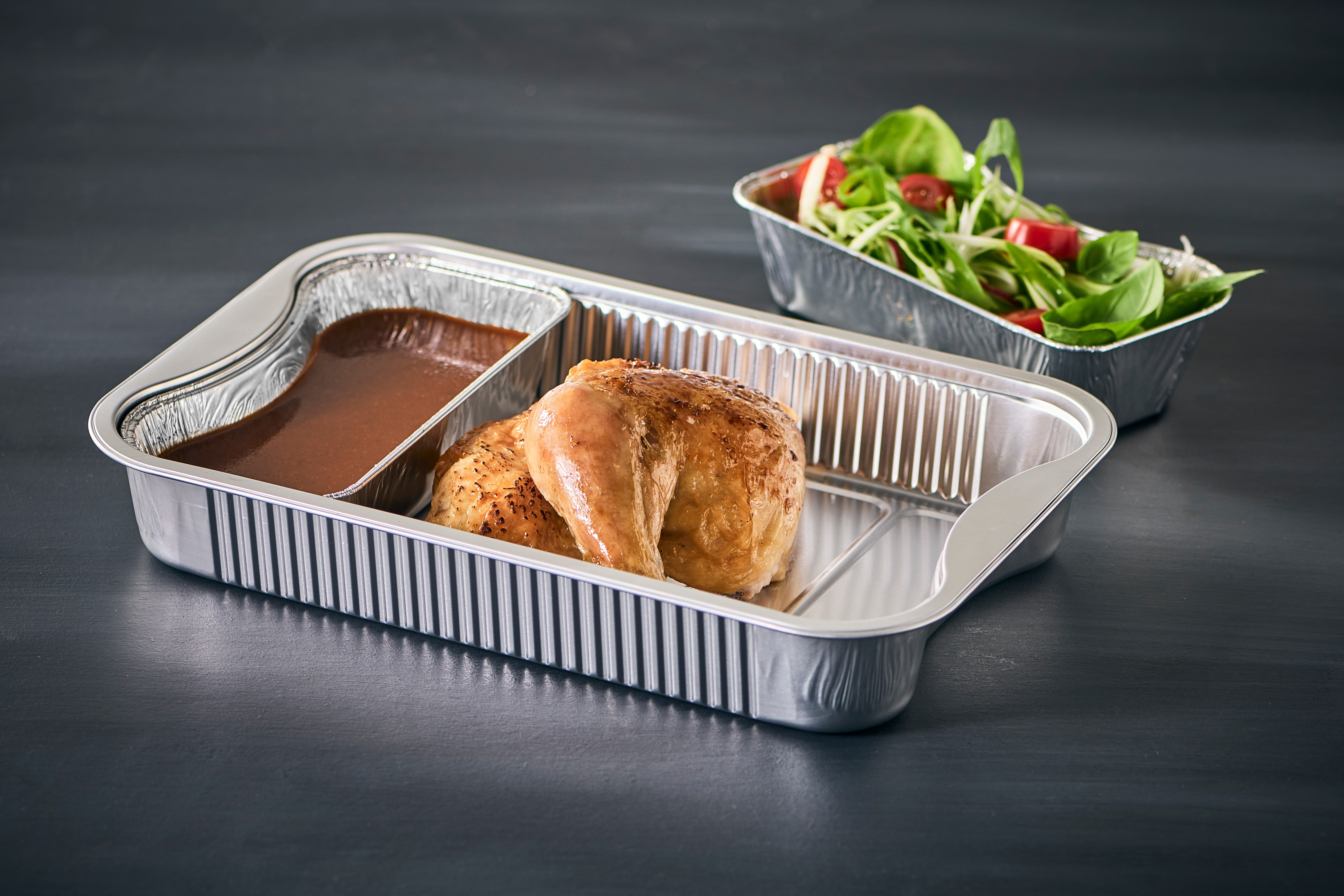
Ready2Cook® is made from aluminium – the champion in a circular economy because it can be recycled forever. Aluminium containers are recyclable without loss of quality.