
This website uses cookies
We use cookies to personalise content and ads, to provide social media features and to analyse our traffic. We also share information about your use of our site with our social media, advertising and analytics partners who may combine it with other information that you’ve provided to them or that they’ve collected from your use of their services.
Consent Selection
Details
  • Necessary cookies help make a website usable by enabling basic functions like page navigation and access to secure areas of the website. The website cannot function properly without these cookies.
    • Learn more about this provideropens in a new window
      cf.turnstile.uThis cookie is used to distinguish between humans and bots.
      Maximum Storage Duration: PersistentType: HTML Local Storage
    • Learn more about this provideropens in a new window

      Some of the data collected by this provider is for the purposes of personalization and measuring advertising effectiveness. The provider may use the IP Addresses for ads measurement and ads personalization.

      test_cookieUsed to check if the user's browser supports cookies.
      Maximum Storage Duration: 1 dayType: HTTP Cookie
      rc::aThis cookie is used to distinguish between humans and bots. This is beneficial for the website, in order to make valid reports on the use of their website.
      Maximum Storage Duration: PersistentType: HTML Local Storage
      rc::cThis cookie is used to distinguish between humans and bots.
      Maximum Storage Duration: SessionType: HTML Local Storage
    • Learn more about this provideropens in a new window
      bcookieUsed in order to detect spam and improve the website's security.
      Maximum Storage Duration: 1 yearType: HTTP Cookie
      li_gcStores the user's cookie consent state for the current domain
      Maximum Storage Duration: 180 daysType: HTTP Cookie
    • pi_opt_in# [x3]Identifies if the visitor has deselected any cookies, trackers or other audience targeting tools.
      Maximum Storage Duration: 10 yearsType: HTTP Cookie
    • __cf_bm [x2]This cookie is used to distinguish between humans and bots. This is beneficial for the website, in order to make valid reports on the use of their website.
      Maximum Storage Duration: 1 dayType: HTTP Cookie
    • guest_uuid_essential_0DMQF0000000Agw [x2]Pending
      Maximum Storage Duration: 1 yearType: HTTP Cookie
    • CookieConsent [x3]Stores the user's cookie consent state for the current domain
      Maximum Storage Duration: 1 yearType: HTTP Cookie
    • CookieConsentPolicyStores the user's cookie consent state for the current domain
      Maximum Storage Duration: 1 yearType: HTTP Cookie
      LSKey-c$CookieConsentPolicyDetermines whether the user has accepted the cookie consent box.
      Maximum Storage Duration: 1 yearType: HTTP Cookie
    • cqcid [x2]Registers whether the user is logged in. This allows the website owner to make parts of the website inaccessible, based on the user's log-in status.
      Maximum Storage Duration: SessionType: HTTP Cookie
  • Preference cookies enable a website to remember information that changes the way the website behaves or looks, like your preferred language or the region that you are in.
    • Learn more about this provideropens in a new window
      lidcRegisters which server-cluster is serving the visitor. This is used in context with load balancing, in order to optimize user experience.
      Maximum Storage Duration: 1 dayType: HTTP Cookie
  • Statistic cookies help website owners to understand how visitors interact with websites by collecting and reporting information anonymously.
    • Learn more about this provideropens in a new window
      c.gifCollects data on the user’s navigation and behavior on the website. This is used to compile statistical reports and heatmaps for the website owner.
      Maximum Storage Duration: SessionType: Pixel Tracker
      _clsk [x4]Registers statistical data on users' behaviour on the website. Used for internal analytics by the website operator.
      Maximum Storage Duration: SessionType: HTTP Cookie
      _clckCollects data on the user’s navigation and behavior on the website. This is used to compile statistical reports and heatmaps for the website owner.
      Maximum Storage Duration: 1 yearType: HTTP Cookie
      _cltkRegisters statistical data on users' behaviour on the website. Used for internal analytics by the website operator.
      Maximum Storage Duration: SessionType: HTML Local Storage
    • Learn more about this provideropens in a new window
      mf_initialDomQueueRegisters data on visitors' website-behaviour. This is used for internal analysis and website optimization.
      Maximum Storage Duration: SessionType: HTML Local Storage
      mf_transmitQueueCollects data on the user’s navigation and behavior on the website. This is used to compile statistical reports and heatmaps for the website owner.
      Maximum Storage Duration: SessionType: HTML Local Storage
    • Learn more about this provideropens in a new window
      SNS [x2]Sets a unique ID for the session. This allows the website to obtain data on visitor behaviour for statistical purposes.
      Maximum Storage Duration: SessionType: HTTP Cookie
    • sn_global_countdown_last_reset_timestamp [x2]Sets a timestamp for when the visitor entered the website. This is used for analytical purposes on the website.
      Maximum Storage Duration: PersistentType: HTML Local Storage
    • gtmBrowserId [x2]This cookie is used to determine if the visitor has visited the website before, or if it is a new visitor on the website.
      Maximum Storage Duration: PersistentType: HTML Local Storage
    • FPAUAssigns a specific ID to the visitor. This allows the website to determine the number of specific user-visits for analysis and statistics.
      Maximum Storage Duration: 3 monthsType: HTTP Cookie
      FPGSIDRegisters statistical data on users' behaviour on the website. Used for internal analytics by the website operator.
      Maximum Storage Duration: 1 dayType: HTTP Cookie
      FPIDRegisters statistical data on users' behaviour on the website. Used for internal analytics by the website operator.
      Maximum Storage Duration: 400 daysType: HTTP Cookie
      FPLCRegisters a unique ID that is used to generate statistical data on how the visitor uses the website.
      Maximum Storage Duration: 1 dayType: HTTP Cookie
    • GuestCartSessionId_0ZEQF0000007OYfProvides a unique ID for a guest user's cart session.
      Maximum Storage Duration: 7 daysType: HTTP Cookie
    • _gaRegisters a unique ID that is used to generate statistical data on how the visitor uses the website.
      Maximum Storage Duration: 2 yearsType: HTTP Cookie
  • Marketing cookies are used to track visitors across websites. The intention is to display ads that are relevant and engaging for the individual user and thereby more valuable for publishers and third party advertisers.
    • Learn more about this provideropens in a new window
      MR [x2]Used to track visitors on multiple websites, in order to present relevant advertisement based on the visitor's preferences.
      Maximum Storage Duration: 7 daysType: HTTP Cookie
      MUID [x2]Used widely by Microsoft as a unique user ID. The cookie enables user tracking by synchronising the ID across many Microsoft domains.
      Maximum Storage Duration: 1 yearType: HTTP Cookie
      SRM_BTracks the user’s interaction with the website’s search-bar-function. This data can be used to present the user with relevant products or services.
      Maximum Storage Duration: 1 yearType: HTTP Cookie
      ANONCHKRegisters data on visitors from multiple visits and on multiple websites. This information is used to measure the efficiency of advertisement on websites.
      Maximum Storage Duration: 1 dayType: HTTP Cookie
      SMRegisters a unique ID that identifies the user's device during return visits across websites that use the same ad network. The ID is used to allow targeted ads.
      Maximum Storage Duration: SessionType: HTTP Cookie
      _uetsidCollects data on visitor behaviour from multiple websites, in order to present more relevant advertisement - This also allows the website to limit the number of times that they are shown the same advertisement.
      Maximum Storage Duration: 1 dayType: HTTP Cookie
      _uetvidUsed to track visitors on multiple websites, in order to present relevant advertisement based on the visitor's preferences.
      Maximum Storage Duration: 1 yearType: HTTP Cookie
    • Learn more about this provideropens in a new window
      mf_#Collects data of the user's navigation and interaction on the website in order to personalise the purchasing experience.
      Maximum Storage Duration: 3 monthsType: HTTP Cookie
    • Learn more about this provideropens in a new window
      uuidThis cookie is used to optimize ad relevance by collecting visitor data from multiple websites – this exchange of visitor data is normally provided by a third-party data-center or ad-exchange.
      Maximum Storage Duration: 13 monthsType: HTTP Cookie
    • Learn more about this provideropens in a new window
      _sn_a [x2]Implements pop-up advertisement on the website.
      Maximum Storage Duration: 1 yearType: HTTP Cookie
      _sn_m [x2]Implements pop-up advertisement on the website.
      Maximum Storage Duration: 1 yearType: HTTP Cookie
      _sn_n [x2]Implements pop-up advertisement on the website.
      Maximum Storage Duration: 1 yearType: HTTP Cookie
    • _uetsid [x2]Used to track visitors on multiple websites, in order to present relevant advertisement based on the visitor's preferences.
      Maximum Storage Duration: PersistentType: HTML Local Storage
      _uetsid_exp [x2]Contains the expiry-date for the cookie with corresponding name.
      Maximum Storage Duration: PersistentType: HTML Local Storage
      _uetvid [x2]Used to track visitors on multiple websites, in order to present relevant advertisement based on the visitor's preferences.
      Maximum Storage Duration: PersistentType: HTML Local Storage
      _uetvid_exp [x2]Contains the expiry-date for the cookie with corresponding name.
      Maximum Storage Duration: PersistentType: HTML Local Storage
    • pardot [x2]Used in context with Account-Based-Marketing (ABM). The cookie registers data such as IP-addresses, time spent on the website and page requests for the visit. This is used for retargeting of multiple users rooting from the same IP-addresses. ABM usually facilitates B2B marketing purposes.
      Maximum Storage Duration: SessionType: HTTP Cookie
    • visitor_id# [x3]Used in context with Account-Based-Marketing (ABM). The cookie registers data such as IP-addresses, time spent on the website and page requests for the visit. This is used for retargeting of multiple users rooting from the same IP-addresses. ABM usually facilitates B2B marketing purposes.
      Maximum Storage Duration: 10 yearsType: HTTP Cookie
    • lpv#Used in context with behavioral tracking by the website. The cookie registers the user’s behavior and navigation across multiple websites and ensures that no tracking errors occur when the user has multiple browser-tabs open.
      Maximum Storage Duration: 1 yearType: HTTP Cookie
      visitor_id#-hashThe visitor hash cookie contains the account ID and stores a unique hash.
      Maximum Storage Duration: SessionType: HTTP Cookie
    • _ga_#Used to send data to Google Analytics about the visitor's device and behavior. Tracks the visitor across devices and marketing channels.
      Maximum Storage Duration: 2 yearsType: HTTP Cookie
      _/set_cookieUsed by server-side Google Tag Manager to set or update cookies required for analytics or marketing tags.
      Maximum Storage Duration: SessionType: Pixel Tracker
  • Unclassified cookies are cookies that we are in the process of classifying, together with the providers of individual cookies.
Cookie declaration last updated on 9/25/26 by Cookiebot
[#IABV2_TITLE#]
[#IABV2_BODY_INTRO#]
[#IABV2_BODY_LEGITIMATE_INTEREST_INTRO#]
[#IABV2_BODY_PREFERENCE_INTRO#]
[#IABV2_BODY_PURPOSES_INTRO#]
[#IABV2_BODY_PURPOSES#]
[#IABV2_BODY_FEATURES_INTRO#]
[#IABV2_BODY_FEATURES#]
[#IABV2_BODY_PARTNERS_INTRO#]
[#IABV2_BODY_PARTNERS#]
About
Cookies are small text files that can be used by websites to make a user's experience more efficient.

The law states that we can store cookies on your device if they are strictly necessary for the operation of this site. For all other types of cookies we need your permission.

This site uses different types of cookies. Some cookies are placed by third party services that appear on our pages.

You can at any time change or withdraw your consent from the Cookie Declaration on our website.

Learn more about who we are, how you can contact us and how we process personal data in our Privacy Policy.

Please state your consent ID and date when you contact us regarding your consent.
Skip to Main

PPWR Legislation

READY FOR WHAT COMES NEXT?

PPWR is changing how packaging is designed, documented and assessed across the EU. See what applies now, what comes next, and how Plus Pack can help you prepare with documentation, packaging expertise and practical guidance.

Turn PPWR into an advantage

PPWR: What does it mean for your food packaging?

New EU packaging requirements are changing how packaging is designed, documented and assessed.

The Packaging and Packaging Waste Regulation (PPWR) introduces new requirements for packaging across the EU, with a focus on recyclability, recycled content, packaging minimisation and substances of concern.

For packaging buyers and developers, this means new considerations around documentation, material and design choices, recycled content and future costs.

At Plus Pack, we help customers understand what these changes mean for their food packaging solutions and turn regulatory requirements into practical packaging decisions.

Whether you are reviewing an existing packaging solution or developing a new concept, we can support you with documentation, packaging expertise and relevant solutions while balancing regulatory requirements, food safety, functionality and product performance.
WHAT IS CHANGING UNDER PPWR?

What applies now – and what comes next?

PPWR introduces harmonised requirements for packaging and packaging waste across the EU.

The regulation entered into force on 11 February 2025 and generally applies from 12 August 2026. However, requirements are being introduced progressively, and several detailed technical criteria are still being developed or phased in.

PPWR covers all types of packaging, including sales, grouped and transport packaging, as well as components such as labels, inks, adhesives, coatings, closures, pallets and shipping cartons.

The overall direction is clear: recyclability, recycled content, packaging minimisation and packaging design will become increasingly important.

PPWR TIMELINE

PPWR: WHAT APPLIES WHEN?

Key milestones for PPWR legislation

  1. PPWR starts applying

    PFAS restrictions for food-contact packaging and applicable compliance obligations.

    From 12 August 2026.

  2. Harmonised labelling

    EU-wide material identification and sorting labels, subject to implementing rules.

    12 August 2028 or later.*

  3. Design for recycling

    Recyclability criteria, packaging minimisation and recycled-content targets for specified plastic packaging.

    Phased requirements from 2030.*

  4. Recycling at scale

    Assessment of whether packaging is effectively recycled at scale.

    1 January 2035 or later.*

  5. Higher recycled-content targets

    Increased recycled-content targets for relevant plastic packaging categories.

    Targets from 1 January 2040.

Implementation dates vary, and several technical criteria are subject to further EU legislation.

*For starred milestones, the relevant EU acts may shift application beyond the headline year.

Legal references: Regulation (EU) 2025/40, particularly Articles 5, 6, 7, 10, 12, 70 and 71. Check these dates against the latest adopted secondary legislation before publication.

Packaging material comparison
Packaging MaterialRecycling TargetsRecycled Content (Post-Consumer) requirementsRecyclability StandardsEPR Fees
Aluminium50% by 2025 60 by 2030No Mandatory recycled targets currentlyMust meet design criteria for effective collection, sorting and recycling (DfR guidlines are in progress)Lower fees due to high recyclability
Plastics55% by 2025 60% by 2023Contact-sensitive PET:30% by 2030 & 50% by 2040 Contact-sensitive non-PET: 10% by 2030 & 25% by 2040All packaging must be recycled by 2023 (non recyclable products to be banned)Fees vary: Higher for non-recyclable plastics Lower for recyclable and recycled content plastics
Composite/Cardboard70% by 2025 75% by 2030No mandatory recycled content targets currentlyMust be designed for separation and effective recycling: complex materials face stricter standardsGenerally higher fees due to challenges in recycling and separation

What applies now -

and what comes next?


Relevant now

General PPWR application already includes requirements related to areas such as:

·        Substances of concern

·        Heavy-metal limits

·        PFAS limits for food-contact packaging


Coming / phased in

Other important areas are still being developed or introduced over time, including:

·        Detailed Design for Recycling criteria

·        Recycled-content calculation methodology and targets

·        Packaging minimisation requirements

·        Harmonised labelling details

·        Further implementing and delegated acts


You do not need to predict every future detail today. But the packaging choices you make now can put you in a stronger position for what comes next. 
Looking for more detail?

WHAT SHOULD YOU CONSIDER

FOR YOUR PACKAGING?

Packaging decisions made today can influence your ability to meet future requirements

Depending on your application, relevant considerations may include:


Material selection and recyclability

Assess whether your packaging materials and components support future recyclability requirements.

Recycled content

Explore opportunities to introduce or increase recycled content where technically suitable and compliant with food-contact requirements.

Packaging design

Consider material combinations, coatings, weight and packaging functionality when evaluating potential improvements.

Food safety and performance

Any packaging change must continue to meet the requirements for food safety, product protection, shelf life, sealing and processing performance. 

Depending on the food and application

areas worth reviewing may include:


·        Detailed Design for Recycling criteria

·        Recycled-content calculation methodology and targets

·        Packaging minimisation requirements

·        Harmonised labelling details

·        Further implementing and delegated acts


These are not automatic answers for every application.


Food safety, shelf life, filling process, transport, preparation and product performance still need to come first.


There is no single solution that works for every food application. The right packaging choice requires balancing several factors. 

How can Plus Pack support you?

We combine packaging expertise, product knowledge and relevant compliance documentation to help customers make informed decisions.

Documentation and product information

We provide relevant documentation for our packaging products, including technical data sheets, food-contact declarations of compliance and supplier information.

Material choice and packaging expertise

We help assess material options, recycled content and packaging designs in relation to your application and future requirements. We support you from idea to production

Customized packaging development

Whether reviewing an existing tray or developing a new packaging concept, we can explore solutions that balance regulatory considerations, performance and sustainability goals.

Understanding potential cost implications

Packaging choices may affect material use and EPR fees. We can help identify key considerations, while specific fees and obligations depend on national schemes.

Already helping customers prepare

The best way to understand what PPWR can mean in practice is through real packaging projects. Plus Pack is already working with customers on projects involving recycled content, material changes and packaging structures designed with future requirements in mind.
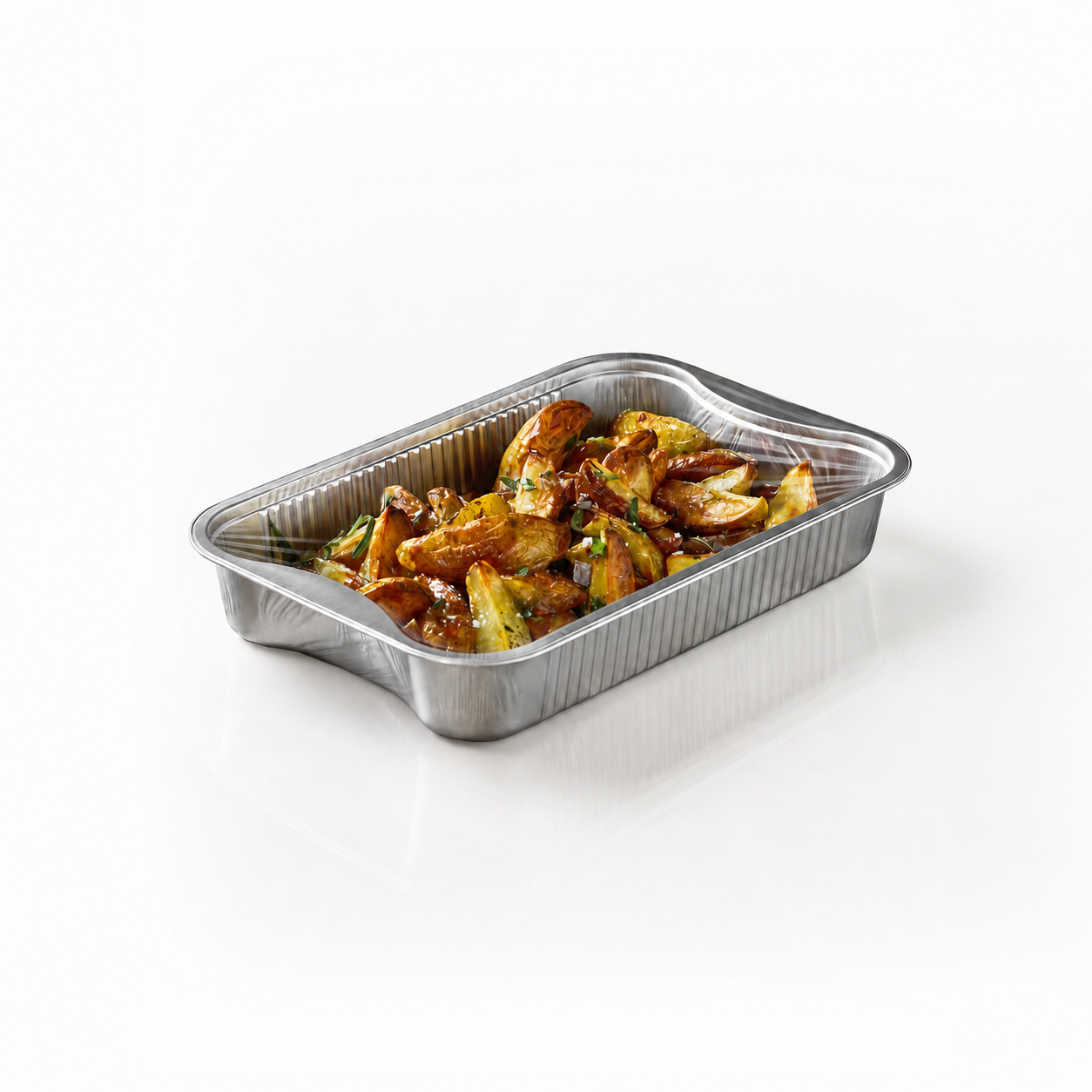
From plastic blister to direct-seal aluminium

A European ready-meal producer supplying the retail market wanted to rethink an existing packaging solution and reduce the amount of packaging material used.

/customer-cases/Sealable-aluminium-case

Rethinking an existing packaging solution

Learn how Plus Pack helped introduce a sealable aluminium tray for a European retailer with reliable delivery with PPWR considerations taken into account.
/customer-cases/custom-retail-tray-case

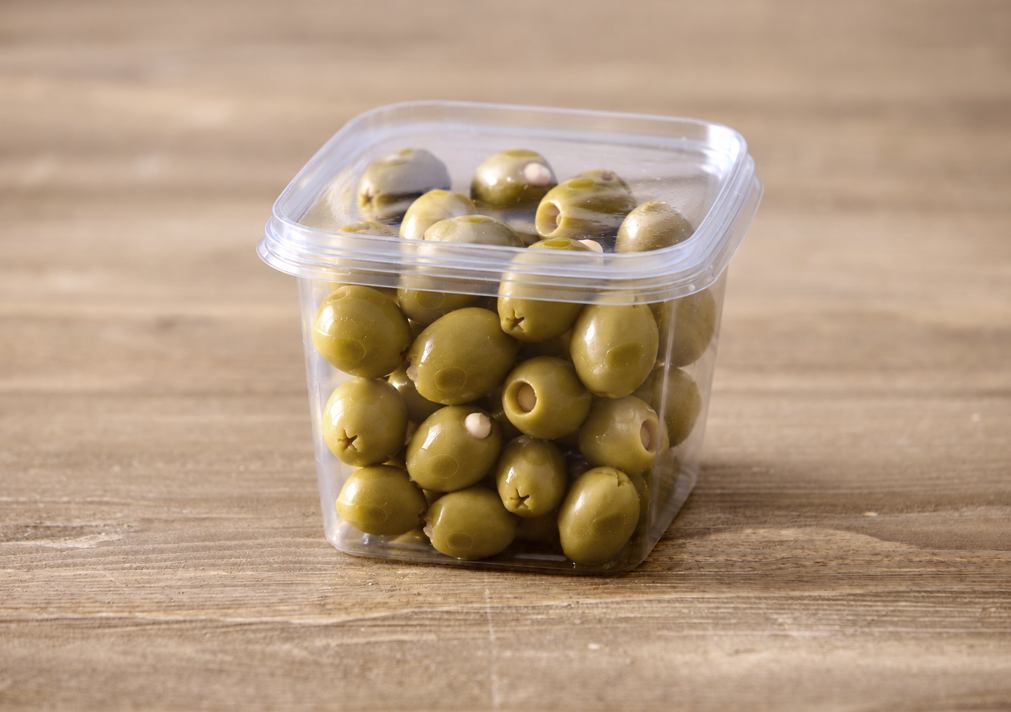
FROM GLASS TO rPET

How Plus Pack helped a European antipasti producer make a strategic move from glass to clear rPET packaging — combining recycled content, strong shelf presentation.

/customer-cases/from-glass-to-rpet

Let’s prepare your packaging for

for the future

PPWR introduces important changes, but you do not need to navigate them alone.

You do not need to have every answer about 2030 today.


But now is a good time to understand where your current packaging stands – and whether there are opportunities worth exploring.


Let’s review your packaging

Together, we can look at your current packaging and discuss areas such as:


·        Documentation

·        Material and packaging structure

·        Recycled content

·        Design choices relevant to future recyclability

·        Material and weight optimisation

·        Potential EPR implications

·        Relevant alternative Plus Pack solutions


Whether you are looking for product documentation, reviewing your existing packaging, sourcing a new solution or developing your next concept, our team can help you understand the options.

Tell us about your current packaging or upcoming project, and let’s start the conversation. 

Contact us

IMPORTANT INFORMATION

This page provides general guidance based on current PPWR requirements. The applicability and implementation dates of individual requirements must be assessed for the relevant packaging and economic operator. Detailed EU criteria continue to develop, and the suitability of each packaging solution depends on its intended use and configuration.


For the latest official information, we recommend consulting the European Commission's PPWR webpage and the full legal text of Regulation (EU) 2025/40. At Plus Pack, we follow relevant developments and help our customers understand what they may mean for their packaging solutions. 

Need Help?