


IS IT SAFE TO USE ALUMINUM CONTAINERS
IN THE MICROWAVE OVEN?
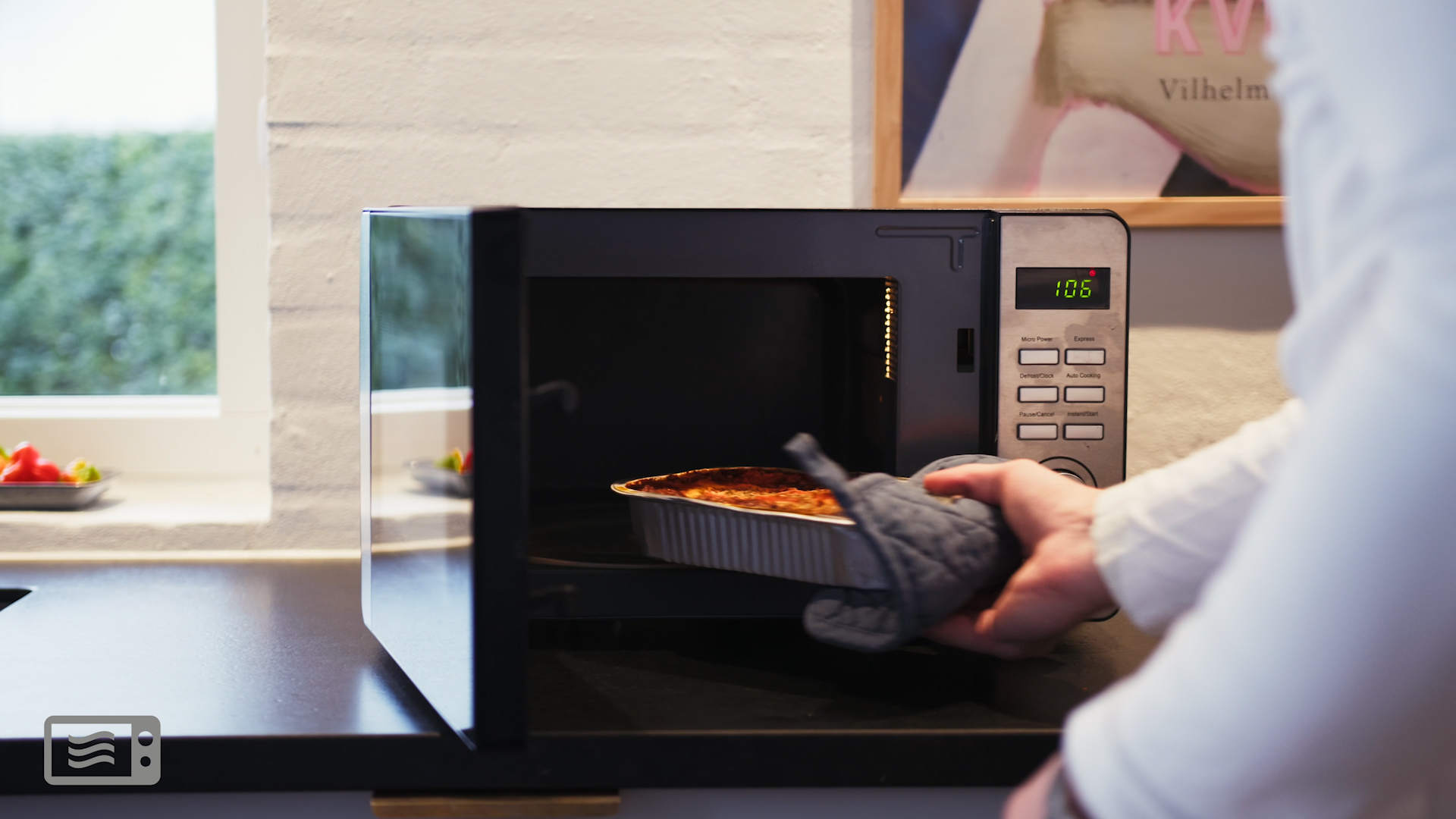
It is a general misconception that you cannot heat food in an aluminum container in your microwave oven. A major study led by the European Aluminium Foil Association (EAFA) shows that aluminum packaging is very well suited for microwave cooking when only a few guidelines are followed. This is what EAFA says on their website:
The use of alufoil containers in microwave ovens is safe: Conclusive evidence that aluminium foil packaging can be used safely in microwave ovens has been established by a study from the Fraunhofer Institute for Process Engineering and Packaging IVV in Freising, Germany. The results dispel the myth that aluminium foil containers are unsafe for use in microwave ovens and prove that consumer fears about using alufoil packs in the microwave are unfounded.
In fact, in some instances consumer convenience is improved as not only are alufoil packs more rigid, something that is equally applicable to dual-ovenable containers, the use of aluminium foil enhances the appearance of the food when heated in the microwave oven. For example, the study found that in the case of lasagne heated in a microwave oven its visual appearance was superior as abrown crust was formed on the surface.
Statement from - European Aluminium Foil Association (EAFA)

HOW SHOULD I USE ALUMINUM CONTAINERS
IN THE MICROWAVE OVEN?
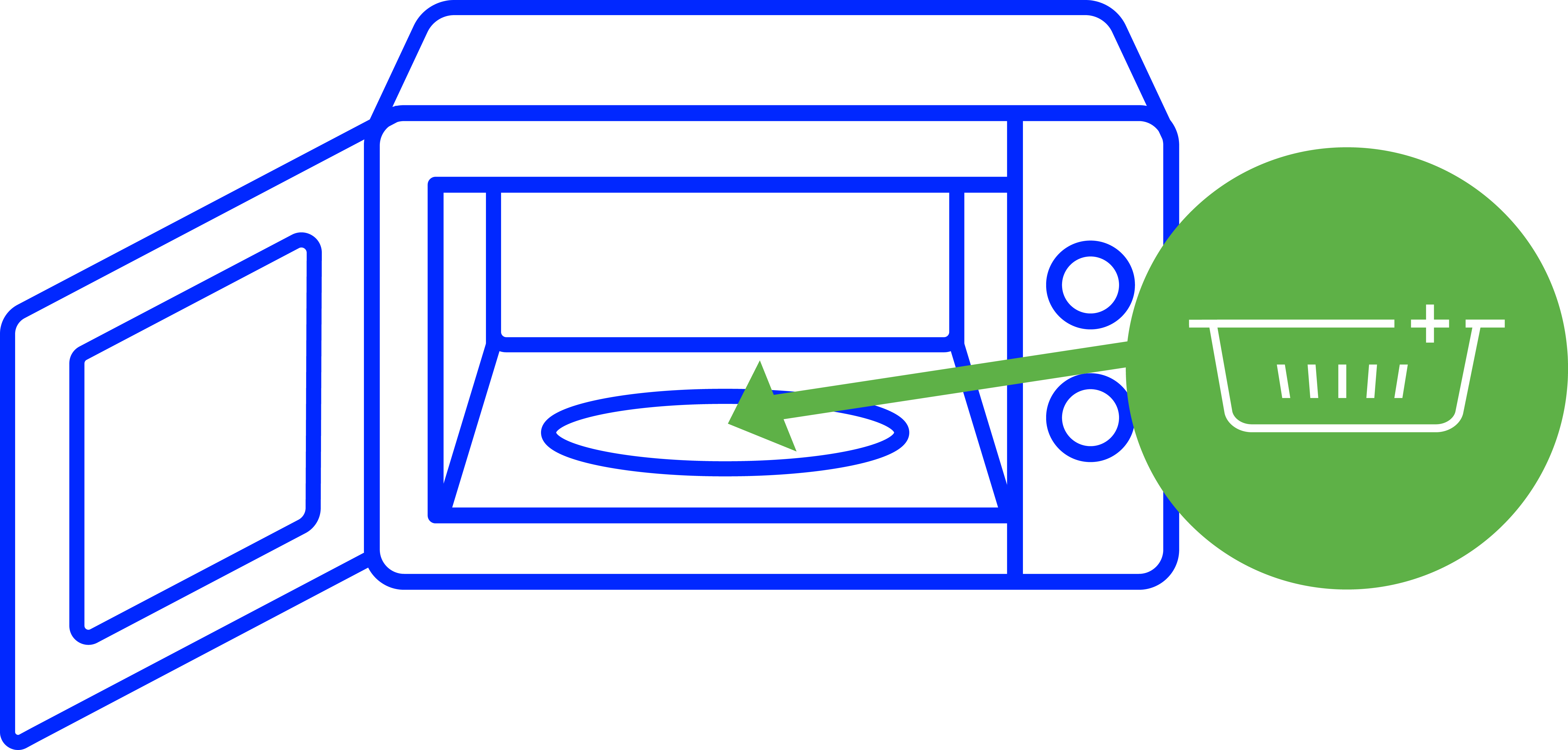
Place the aluminum container in the center of the microwave to avoid it touching the microwave walls. Always place the container on a ceramic or glass turntable to prevent contact between the metal objects. Select a container smaller than the turntable so that it sits in the middle without sticking out. Lastly, use only one container at a time in the microwave.
How to use aluminum in the microwave oven*

1. The lid or sealing film must be removed before use. If not otherwise stated on packaging.

2. The meal should cover most of the base of the container.

3. Place the aluminium container in the middle of the turntable in the microwave oven.

4. The aluminium container must not come in contact with the walls of the microwave oven. Minimum distance to the walls: 2,5 cm/1 inch

5. Only ONE container in the microwave oven at a time.
Attention: If you have a combination oven or microwave oven without a turning glass plate, be aware to use a ceramic or glass plate so the aluminium container is not in direct contact with the metal surface inside the oven.
* Not suitable for microwave ovens constructed before 1983.
Ready2Cook® aluminium containers
a microwaveable packaging solution
Plus Pack is helping to dispel the myth that aluminium containers are dangerous to use in the microwave oven. A major study led by the European Aluminium Foil Association (EAFA) shows that aluminium containers are perfectly suited for microwave cooking when only a few guidelines are followed. Get more information on EAFA’s website.
CAN SEALING FILM BE USED IN
THE MICROWAVE OVEN?
Today, many ready meals are sealed either with a plastic lid or a sealing film to safeguard the food. Most sealing films are designed to be microwave-safe, preventing melting. Always check with your supplier that the sealing film you want to use is usable in a microwave oven. Or contact Plus Pack, we collaborate with chosen suppliers in order to be able to deliver you a one-stop shop solution.
This means you can buy sealing film from Plus Pack, and we can help you in the process of making it run smoothly in your production facilities. When the consumer uses a container with sealing film in the microwave oven, food splashes in the oven are eliminated, promoting a cleaner kitchen.

WHY IS ALUMINIUM SO CONVENIENT
FOR MICROWAVE OVENS?
Our customers, particularly those producing ready meals, favor aluminum containers. The ready meal trend is rapidly growing, especially in today's busy society. Aluminum containers stand out because they can handle temperatures ranging from -40°C to 350°C (200°C if lacquered). Aluminum is the only material that is safe for use in the microwave, oven, grill, and freezer, making it a versatile and valuable choice for various food purposes.
At Plus Pack, we've created a dedicated product series for the ready meal market called Ready2Cook®. This range has become one of our most popular collections and it is available in many sizes, formats, colors, etc and it comes with many features to choose from; handles, ridged bottom, etc. Explore the variety of Ready2Cook® aluminium containers in our eCatalogue.
WHY USE ALUMINIUM
FOOD PACKAGING?
Aluminium is a valuable material that can support a circular economy. The material can be recycled multiple times when collected, sorted and processed through suitable recycling systems.
BECAUSE IT IS FIT FOR FUTURE
- Aluminium can be recycled multiple times when collected and processed through suitable recycling systems.
- The recycled content varies by product. See the product datasheet for the documented recycled content percentage.
- Producing recycled aluminium from scrap requires around 95% less energy than producing primary aluminium.
BECAUSE IT IS FIT FOR PURPOSE
- Aluminium tolerates temperatures from -40°C to 350°C (200°C if lacquered)
- Aluminium ensures equal distribution of heat
- Highest level of food safety due to unique barrier properties
- Optimized logistics due to light weight compared to plastics
- Customize your packaging with colour, print or embossing
BECAUSE IT IS CONVENIENT & FLEXIBLE
- Aluminium goes from freezer or fridge to microwave oven, oven and on the grill
IS THE FOOD SAFE TO EAT IF MICROWAVED
IN ALUMINUM CONTAINERS?
Absolutely. There are no health hazards associated with using aluminium containers in a microwave oven compared to a conventional oven. Food heated in aluminium packaging is perfectly safe to eat. It's important to note that food in aluminium containers is microwave-safe, ensuring both safety and quality in heating. Following these guidelines ensures safe food preparation in the microwave using aluminium containers.
HOW TO REHEAT FOOD IN AN
ALUMINIUM FOOD CONTAINER
We always recommend following the instructions on the label to ensure that the food is safely heated before being served. If the label specifies a time interval, we recommend starting with the shortest cooking time and adding more time if necessary to ensure the right internal temperature.
For even cooking of your food, you can use a cover in the form of a plastic lid or plastic film. Be sure to loosen the lid or create small holes in the film to allow steam to vent. The steam and moist will ensure that all bacterias are killed, making the food safe to eat.
However, as mentioned above, we always recommend following the manufacturer's instructions if they are available. EAFA provides the following guidelines for safely reheating food in aluminium containers using the microwave:
- Remove or loosely remove lid or wrap from container (follow instructions from manufacturer if in doubt)
- The meal should cover most of the base of the container
- Place the aluminium container in the middle of the turntable in the microwave oven
- The aluminium container must not come in contact with the walls of the microwave oven. EAFA recommends at least 2.5 cm/1 inch away from the side walls
- Only ONE container in the microwave oven at a time
If you follow these guidelines, you are perfectly safe to heat your food in the microwave oven.
HOW LONG CAN ALUMINUM
CONTAINERS BE IN THE MICROWAVE OVEN?
EAFA does not specify a specific time, but we always recommend following the manufacturer's instructions if they are available. If not, we recommend heating your food in smaller intervals to ensure you reach the right internal temperature without overheating the food and keeping the aluminum container inside the microwave oven for longer than necessary.
If you have any other questions in regards to aluminum and microwaves, you might find your answer here.
LEARN MORE
Case
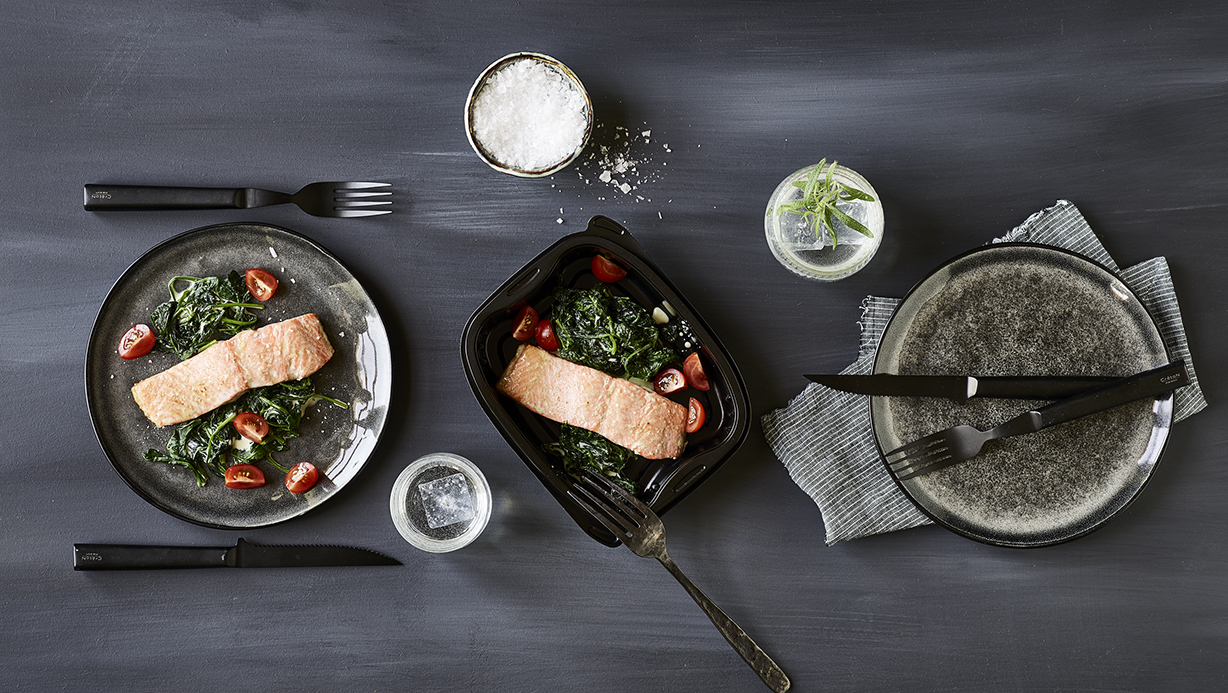
Aluminium container solves sorting issue
TalThi sells recyclable, high-quality food packaging in Canada. Lately, the company has met challenges: Canadian waste separation facilities cannot detect black plastics.
Case
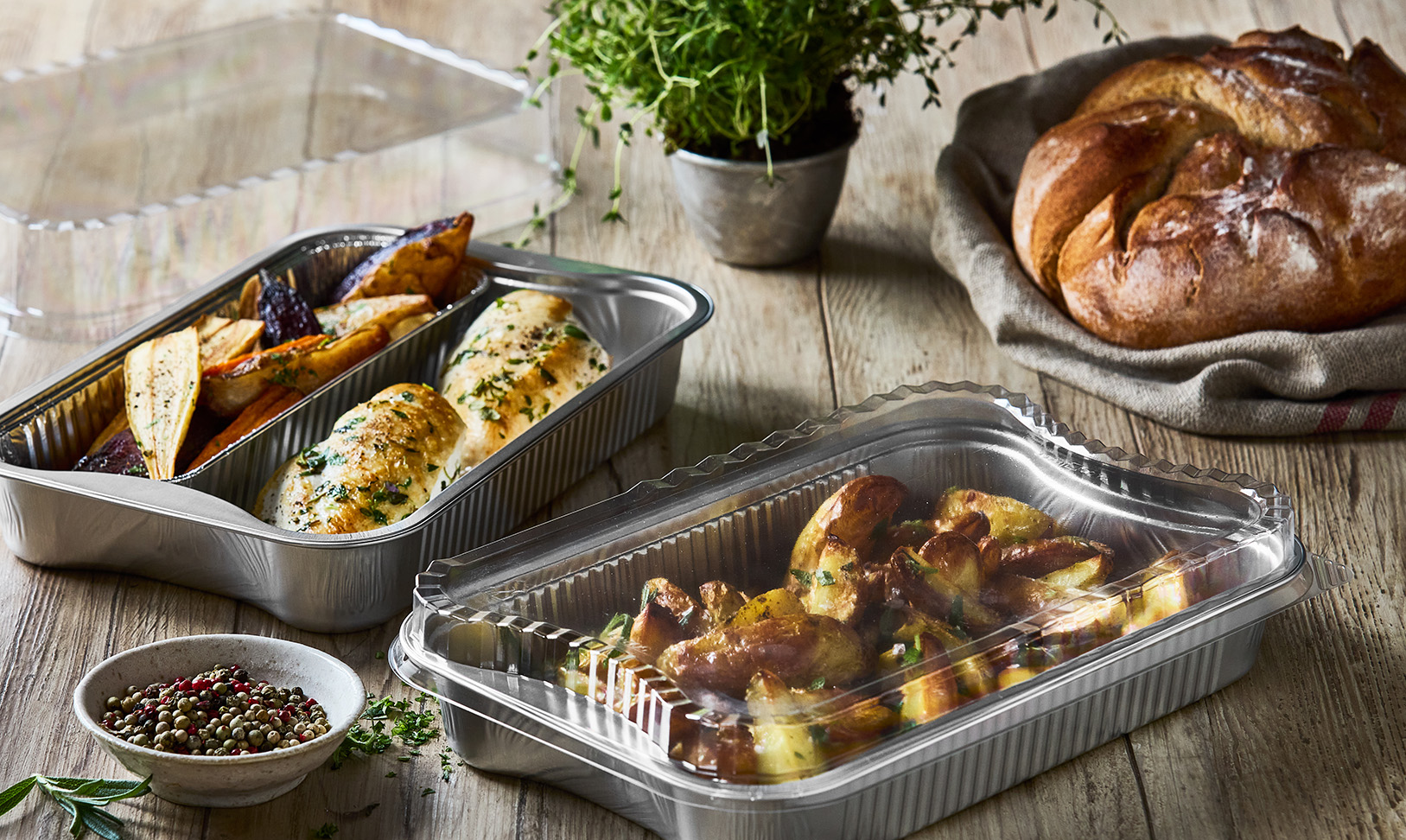
Recyclability in practice
New optimized food packaging solution helps European distributor realize immediate savings. Resulting in long-term benefits. Click and learn more.
Sustainability
Food waste as a global issue
Read how food waste contributes to 8% of the worlds CO2 emission and how food packaging can plays an crucial role in reducing the CO2 emission on a global scale.